 11
11
Artificial Intelligence is no longer the future — it’s the present. In 2026, Best AI tools are transforming how we create content, build businesses, automate work, and even communicate. From smart chatbots to advanced video generators, AI is reshaping the internet at lightning speed.
In this article, we’ll explore the top 10 AI tools in 2026 that are changing the internet, boosting productivity, and helping creators, entrepreneurs, and businesses grow faster than ever. You can also check this AI Side Hustles That Actually Pay in 2026
With tools like OpenAI’s ChatGPT and Jasper, bloggers and marketers can generate:
SEO blog posts
Product descriptions
Ad copies
Email campaigns
What once took hours now takes minutes. This has led to an explosion of online content in 2026.
Impact: More competition, but also more opportunities for creators.
Traditional search is evolving. Platforms like Perplexity AI and AI-integrated systems from Google DeepMind provide:
Direct answers instead of link lists
Summarized information
Context-based responses
Impact: Users get faster answers, and websites must now focus on high-quality, authoritative content.
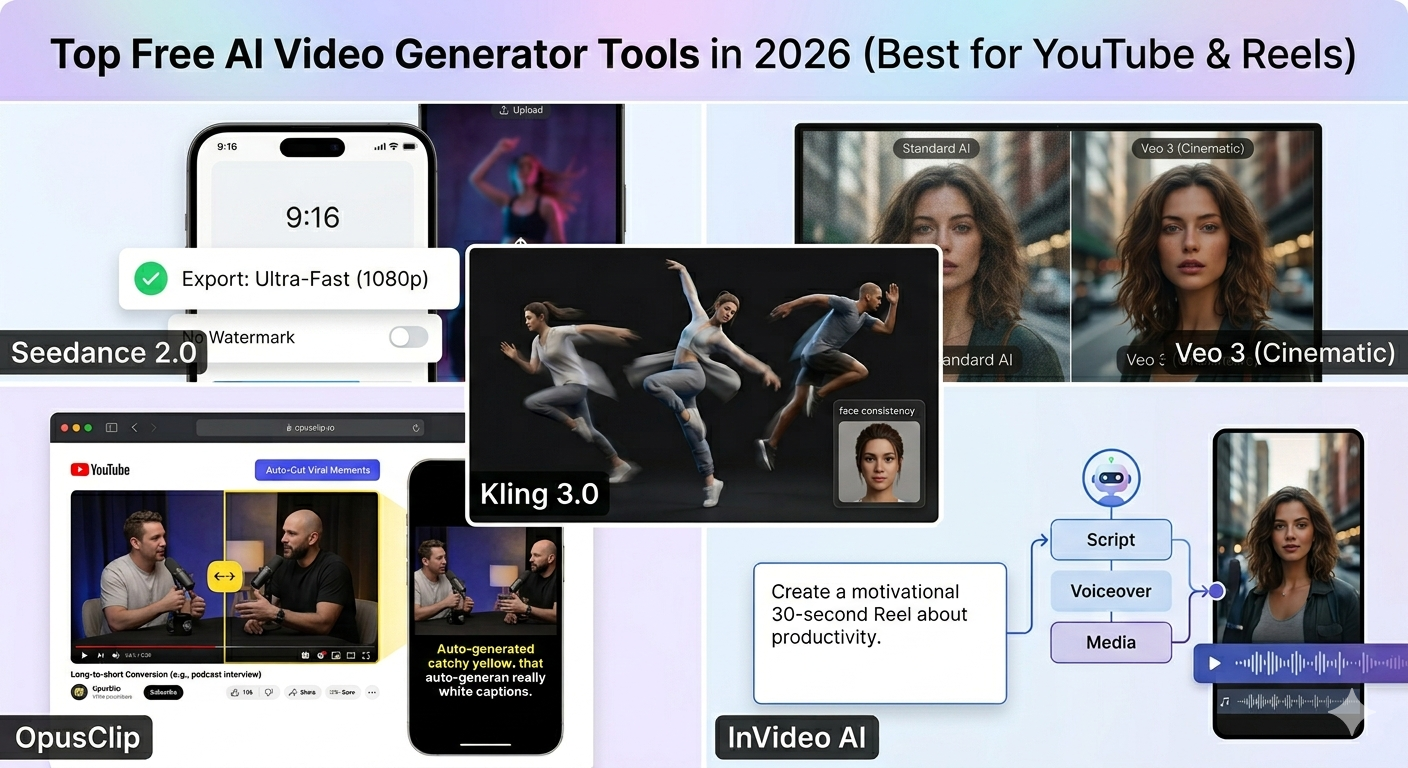
Image and video creation tools such as Midjourney and Runway allow anyone to create professional visuals without design skills.
Most popular AI Tools thumbnails for YouTube
Social media creatives
Short AI-generated videos
Cinematic effects in minutes
Impact: Even small creators can compete with big brands.
AI chatbots and automation tools are reducing human workload by:
Handling FAQs
Managing orders
Providing 24/7 customer service
Personalizing recommendations
Impact: Faster response times and better user experience.
AI tools are helping people earn money through:
Freelancing with AI assistance
Affiliate marketing
AI video channels
AI-powered dropshipping stores
In 2026, AI is not replacing everyone — it is empowering smart users to scale faster.
Students now use AI for:
Instant doubt solving
Research summaries
Language translation
Personalized learning
AI tools are making education more affordable and accessible globally.
Tools like Notion AI help users:
Organize tasks
Summarize meetings
Plan projects
Manage workflows
Impact: Solo entrepreneurs can now do the work of small teams.
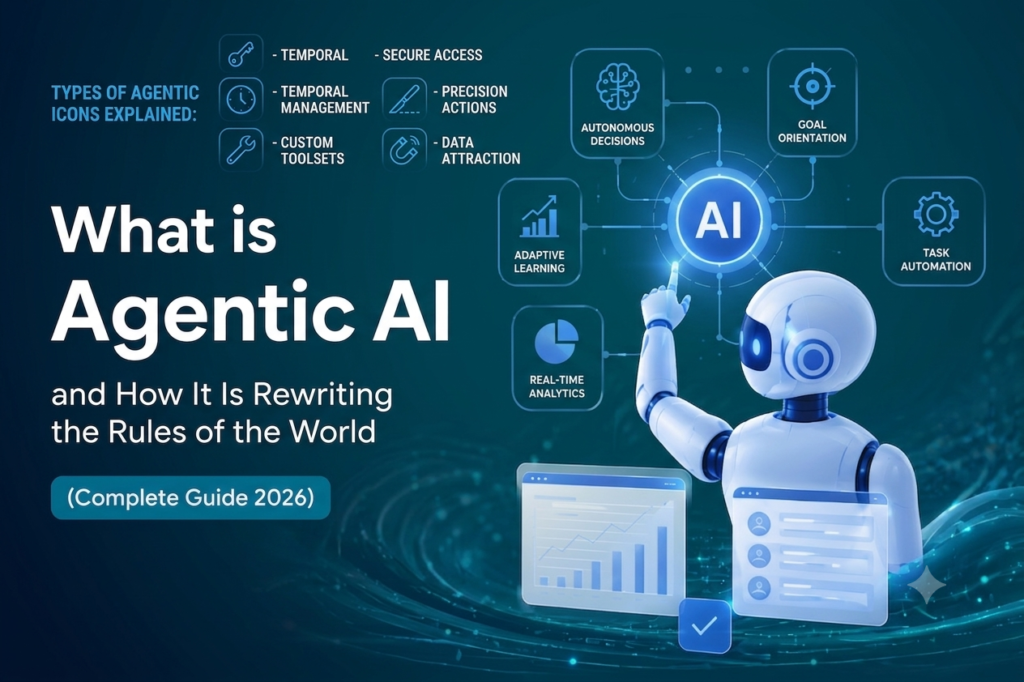
AI tools are software applications that use Artificial Intelligence (AI) to perform tasks that normally require human intelligence. These tasks can include writing content, analyzing data, recognizing images, generating videos, answering questions, automating workflows, and much more.
In simple words, AI tools are smart digital assistants that help users work faster, smarter, and more efficiently.
AI tools are powered by technologies such as:
Machine Learning (ML)
Natural Language Processing (NLP)
Computer Vision
Deep Learning
For example, tools developed by OpenAI use advanced language models to understand and generate human-like text. Similarly, AI research from Google DeepMind powers intelligent systems that can analyze complex data and provide smart responses.
These systems learn from massive amounts of data and improve over time.
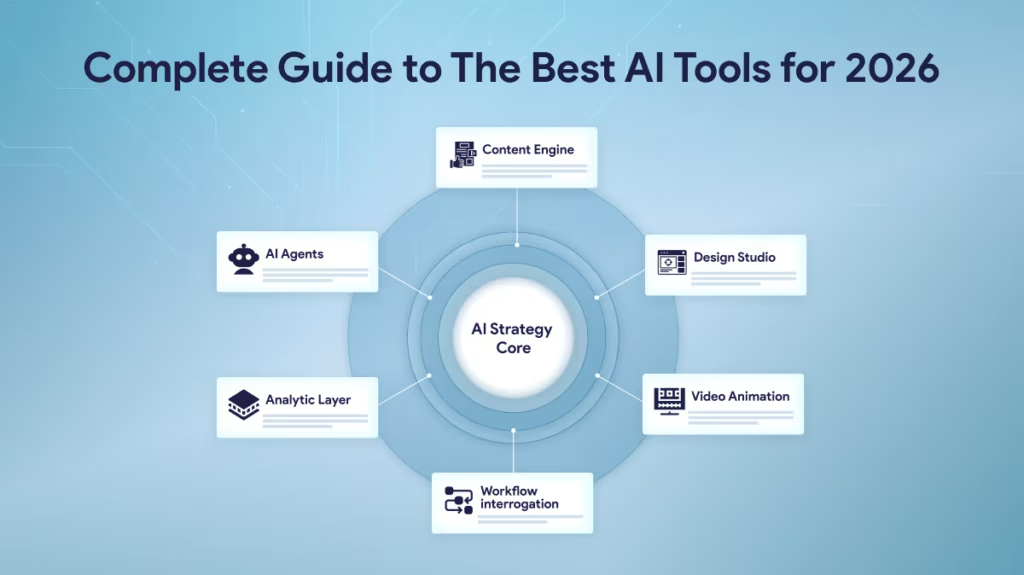
There are many types of Trending AI tools available in 2026, including:
1️⃣ AI Writing Tools
Help create blogs, emails, scripts, and marketing content.
2️⃣ AI Image Generators
Create images from text prompts using platforms like Midjourney.
3️⃣ AI Video Tools
Generate or edit videos automatically with tools like Runway.
4️⃣ AI Productivity Tools
Organize tasks, summarize notes, and manage workflows with solutions like Notion AI.
5️⃣ AI Search & Research Tools
Provide instant answers and research summaries using platforms such as Perplexity AI.
Automation saves time and money
Content creation is faster than ever
Businesses use AI for marketing & customer support
Students and freelancers rely on AI daily
Now let’s dive into the most powerful AI tools of 2026.
One of the most widely used AI tools in the world, ChatGPT helps with:
Blog writing
Coding
Business plans
Email drafting
Research summaries
Millions of users depend on it daily for productivity and creativity.
Gemini is a powerful AI system integrated across Google products. It assists with:
Real-time research
AI image generation
Document analysis
Smart replies in Gmail
It’s becoming essential for professionals and students.
Midjourney creates stunning AI-generated images from simple text prompts. Designers, marketers, and social media creators use it for:
Logo ideas
YouTube thumbnails
Social media posts
Digital art
It has revolutionized visual creativity online.
Runway is transforming video editing with AI. It allows users to:
Remove backgrounds instantly
Generate AI videos
Edit videos using text commands
Content creators are massively adopting this tool.
Jasper is an AI writing assistant focused on marketing. It helps with:
Sales copy
Facebook ads
SEO blog posts
Email marketing campaigns
It’s a favorite among digital marketers.
Notion AI boosts productivity by:
Summarizing notes
Generating task lists
Creating meeting summaries
Organizing projects
Freelancers and startups rely on it daily.
Synthesia allows users to create AI avatar videos without a camera. Businesses use it for:
Training videos
Product demos
Online courses
It saves production costs and time.
Perplexity AI is redefining search engines by giving direct AI-powered answers with sources. It’s fast, accurate, and ideal for research.
Canva’s AI features help users create:
Social media graphics
AI-generated presentations
Instant background removal
Smart design suggestions
Perfect for beginners and professionals alike.
Pika Labs is one of the fastest-growing AI video generators in 2026. It can turn text prompts into short cinematic videos, making it popular among creators.
✔ Faster content creation
✔ Automated customer service
✔ Smarter search engines
✔ AI-powered design & video production
✔ Increased online earning opportunities
The internet is becoming more intelligent and automated than ever before.
Artificial Intelligence tools in 2026 are not just improving productivity — they are fundamentally transforming how the internet works. Earlier, the internet depended heavily on manual content creation, traditional search engines, and human-driven customer service. Today, AI tools are automating processes, personalizing experiences, and accelerating innovation at a global scale. This shift is changing how websites rank, how businesses operate, and how users consume information online.
One of the biggest changes is in content creation. With advanced systems from OpenAI and marketing-focused platforms like Jasper, creators can now generate high-quality blog posts, scripts, emails, and ad copies within minutes. This has significantly reduced production time and costs, allowing even small creators and startups to compete with large media companies. As a result, the volume of online content has increased dramatically, making originality, authority, and value more important than ever for SEO success.
Search behavior is also evolving rapidly. AI-driven search platforms such as Perplexity AI and AI integrations powered by Google DeepMind are providing users with direct, summarised, and context-aware answers instead of just showing lists of blue links. This means websites must now optimize for featured snippets, conversational queries, and in-depth informational content. The focus is shifting from keyword stuffing to delivering real expertise and trustworthy insights.
Visual content creation has experienced a massive transformation as well. Tools like Midjourney and Runway allow users to create professional-grade images and videos using simple text prompts. This has lowered the barrier to entry for content creators, enabling individuals with no design or editing background to produce viral-level visuals. The internet is becoming more dynamic and media-rich, driven largely by AI-generated graphics and short-form videos.
AI tools for Businesses are also leveraging AI to automate operations and enhance customer experience. AI chatbots can handle thousands of customer queries simultaneously, provide personalized product recommendations, and operate 24/7 without breaks. This level of automation improves efficiency while reducing operational costs. As more companies adopt AI systems, users are experiencing faster support, smarter recommendations, and more customized digital journeys.
Another major impact is on productivity and entrepreneurship. AI-powered workspace tools such as Notion AI help individuals manage projects, summarize meetings, and organize workflows efficiently. Solo entrepreneurs can now accomplish tasks that previously required entire teams. This is encouraging more people to start online businesses, freelance careers, and digital content ventures, further accelerating the growth of the digital economy.
Education and skill development are also being reshaped. Best AI tools for students 2026 assist with research, language translation, coding help, and personalized learning paths. Knowledge is becoming more accessible, breaking geographical and financial barriers. The internet is turning into a more intelligent learning environment where users receive customized information tailored to their needs.
Overall, Free AI tools 2026 are shifting the internet from a static information network to a smart, interactive, and highly automated ecosystem. The speed of innovation has increased, competition has intensified, and opportunities have expanded. In 2026, success online is no longer just about being present — it’s about strategically integrating AI into workflows, content strategies, and user experiences.
Here’s how NetCom Learning can help you master AI tools and build real practical skills in 2026👇
NetCom Learning offers a range of AI-focused courses and certification paths that teach both fundamental and advanced AI concepts, including generative AI, AI strategy, AI development, and AI tool usage. These programs are designed to take learners from the basics all the way to advanced proficiency, helping you understand not just what tools do, but how to use them effectively in real projects.
Their AI CERTs™ training and certification programs are tailored to specific roles — from AI developers to business leaders — so you learn skills that directly apply to your job or career goals. These courses cover areas such as AI tools for online business, AI security, cloud AI, and more, giving you hands-on experience with real AI tools and workflows.
NetCom Learning provides both self-paced and instructor-led training options, so you can learn on your schedule. Their mobile-friendly platform (N+) lets you study anytime, anywhere, and track your progress as you go — perfect if you’re juggling learning with work or other commitments.
Completing courses through NetCom Learning often leads to shareable certificates that you can add to your LinkedIn profile, resume, or portfolio. These certifications show employers that you have verified AI skills — including mastery over popular tools and methodologies.
NetCom Learning partners with major tech vendors like Microsoft, AWS, and Google Cloud, meaning their training aligns with industry standards and uses real tools from these ecosystems. For example, they offer courses that help learners work with AI tools like Microsoft 365 Copilot and other cloud-based AI platforms.
They provide structured learning roadmaps that guide you through beginner to advanced AI skills, so you don’t just learn tools — you understand their strategic application across industries, including marketing, automation, cloud services, and cybersecurity.
As we move deeper into 2026, AI tools are no longer optional — they are becoming essential for anyone working online. From content creation and marketing to coding, design, automation, and research, AI is now integrated into almost every digital workflow. Platforms like OpenAI have made conversational AI mainstream, while productivity ecosystems from Notion and creative platforms like Canva are embedding AI directly into daily work environments. This shows that AI is not a separate tool anymore — it’s becoming part of the core internet infrastructure.
The biggest advantage in 2026 is not just access to AI tools, but knowing how to use them strategically. Businesses are automating operations, creators are scaling content production, and entrepreneurs are launching digital products faster than ever before. At the same time, competition is increasing, which means users must focus on creativity, originality, and smart implementation rather than blindly relying on automation.