 11
11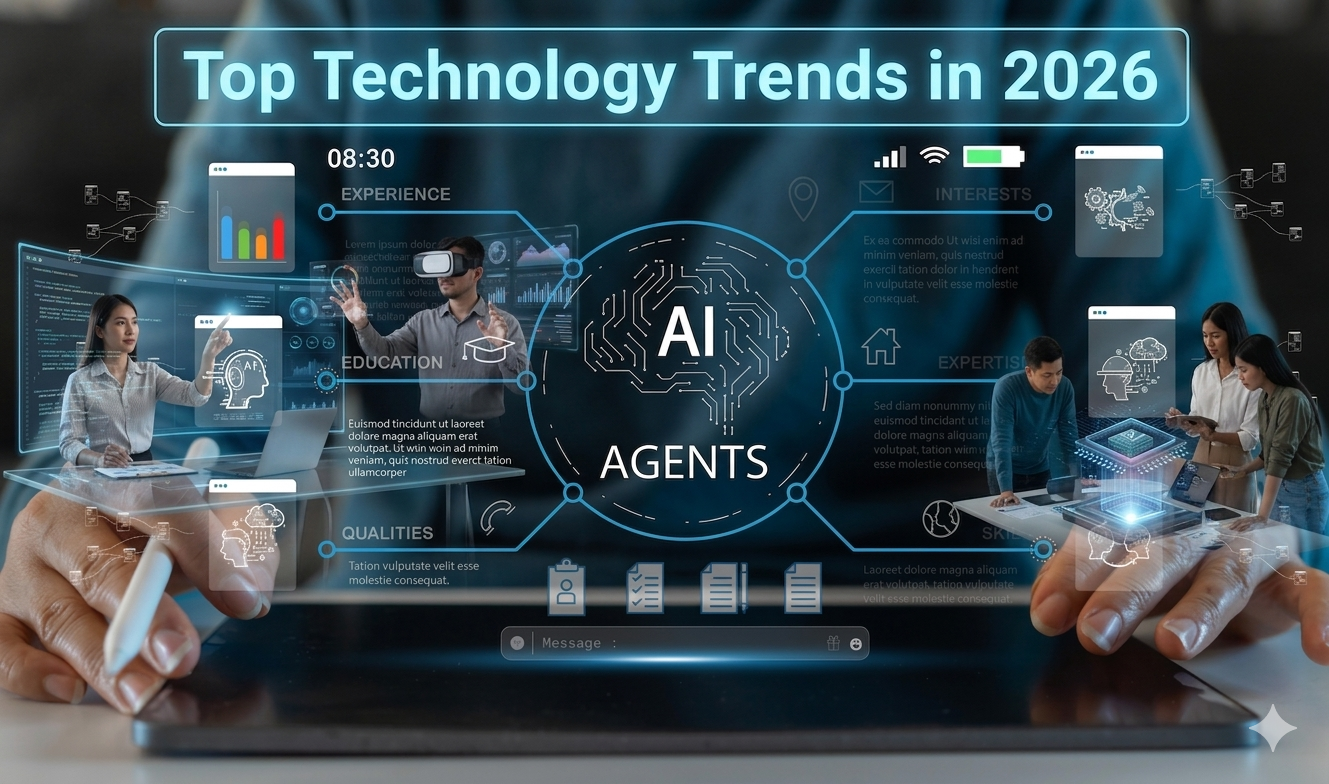
Top Technology Trends in 2026 is advancing faster than ever. Artificial Intelligence, automation, cybersecurity, robotics, and next-generation internet technologies are changing how businesses operate and how people interact with the digital world. From AI-powered assistants to quantum computing break throughs, these innovations are shaping the future of work, communication, healthcare, education, and entertainment.
In this detailed guide, we’ll explore the biggest technology trends of 2026, how they work, their real-world applications, and why they matter for businesses and everyday users. You can also explore the best AI apps in 2026 for productivity and automation.
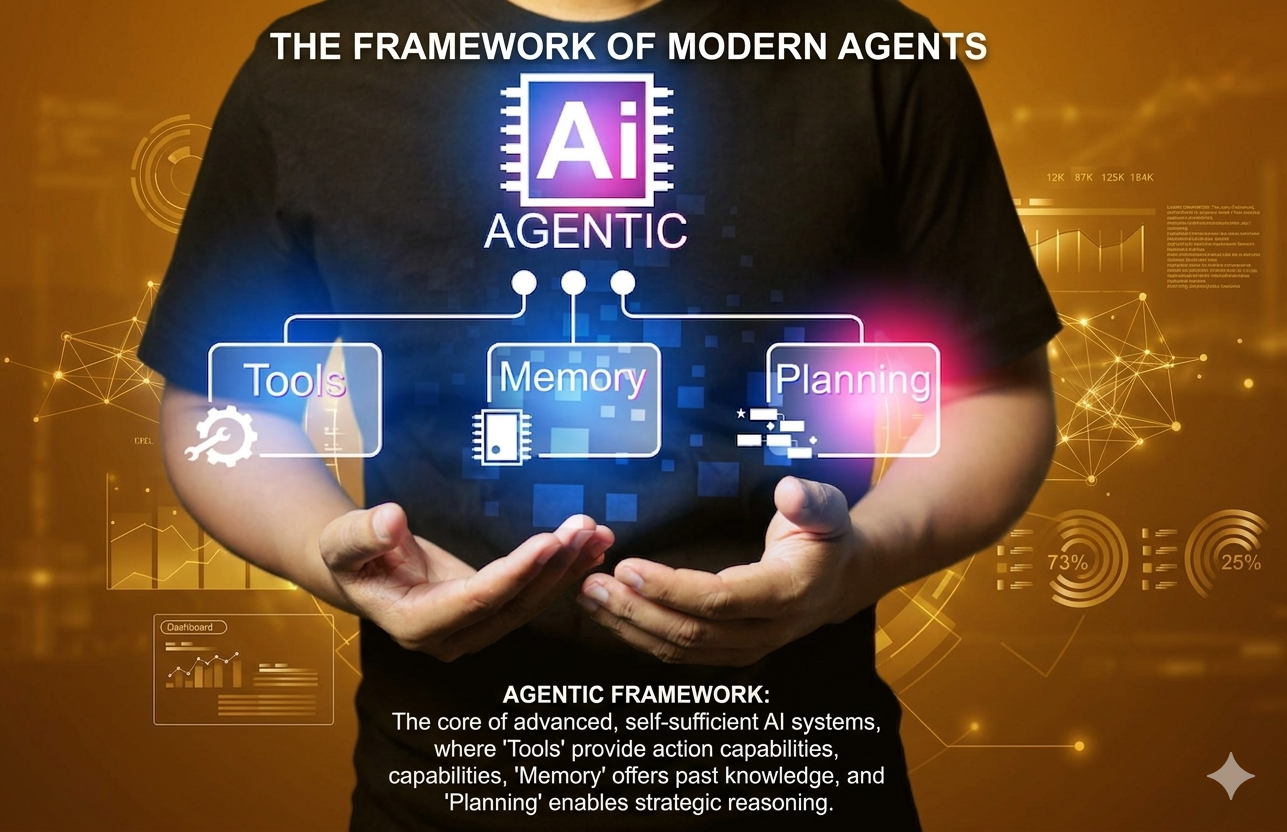
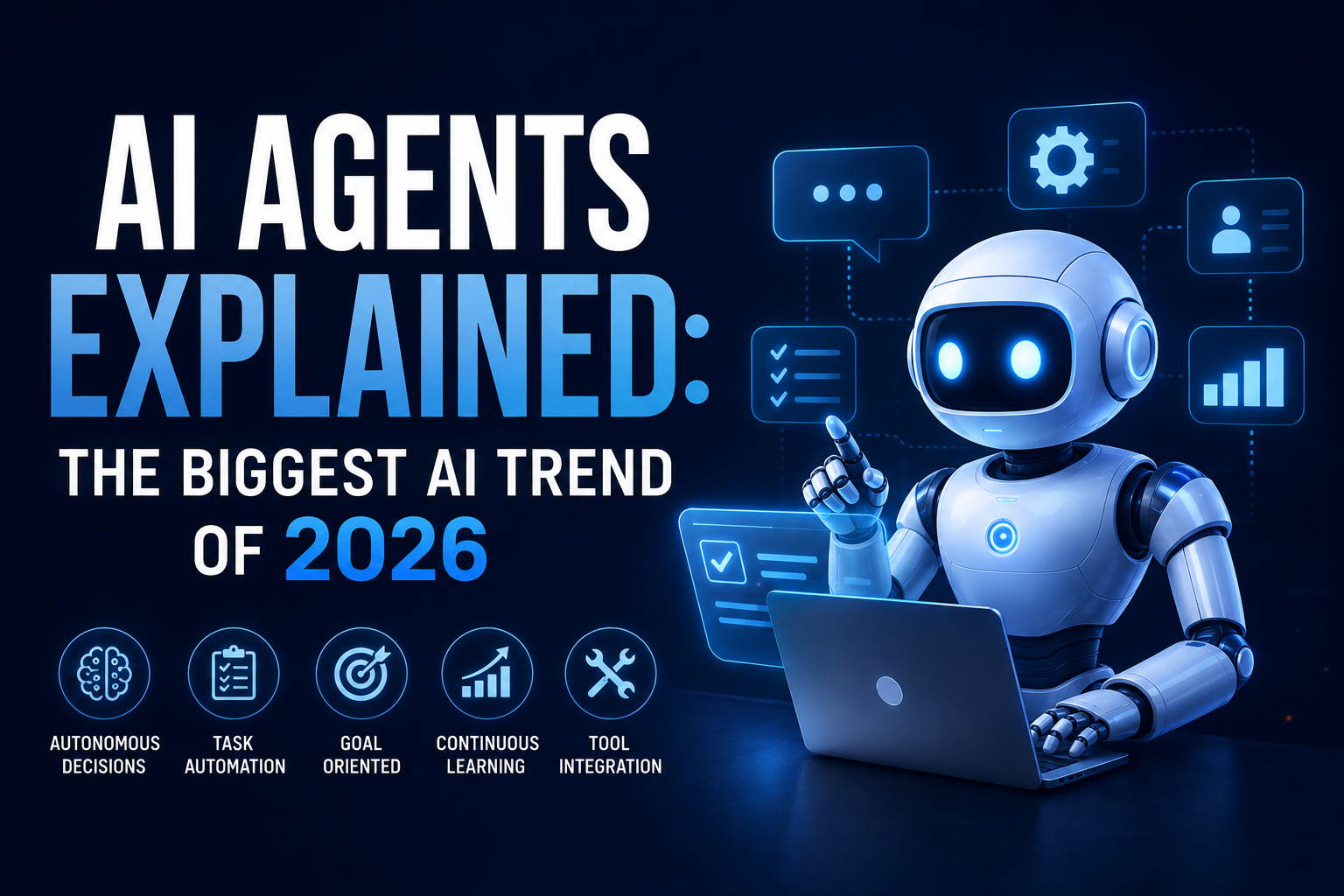
Artificial Intelligence is no longer limited to chatbots and virtual assistants. In 2026, AI systems are becoming “agentic,” meaning they can independently complete tasks, make decisions, and interact with multiple tools without constant human input.
These advanced AI agents can:
Businesses are rapidly adopting AI agents because they improve productivity and reduce operational costs.
Quantum computing is becoming one of the most exciting technologies of 2026. Unlike traditional computers that process information in binary (0 and 1), quantum computers use quantum bits (qubits), allowing them to solve extremely complex problems much faster.
Large tech companies and research organizations are investing billions into quantum computing development.
Quantum computing could solve problems that are impossible for today’s super computers, opening new possibilities in science and technology.
As cyberattacks become more advanced, cybersecurity tools are using AI to detect threats in real time. AI security systems can monitor networks continuously, identify suspicious activity, and stop attacks before they cause damage.
Cybersecurity is now one of the most important technology sectors in the world.
Edge AI allows devices to process AI tasks locally instead of relying entirely on cloud servers. This improves speed, privacy, and efficiency.
Examples include:
Edge AI is becoming essential for modern smart devices.
Spatial computing combines the physical and digital worlds using:
This technology is changing:
As hardware becomes more affordable, AR and VR experiences are becoming more realistic and accessible.
Robotics technology is rapidly improving with AI integration. Robots are becoming smarter, faster, and more capable of handling real-world tasks.
Humanoid robots are also becoming more advanced and may soon become part of daily business operations.
Sustainability is now a major focus in technology development. Companies are investing in green technology to reduce environmental impact.
Technology companies are increasingly prioritizing eco-friendly innovation.
Healthcare technology is evolving rapidly with AI-powered systems helping doctors diagnose diseases faster and more accurately.
AI is expected to play a massive role in future medical advancements.
Although 5G is still expanding globally, 6G research is already underway.
6G could completely transform communication, gaming, automation, and digital experiences.
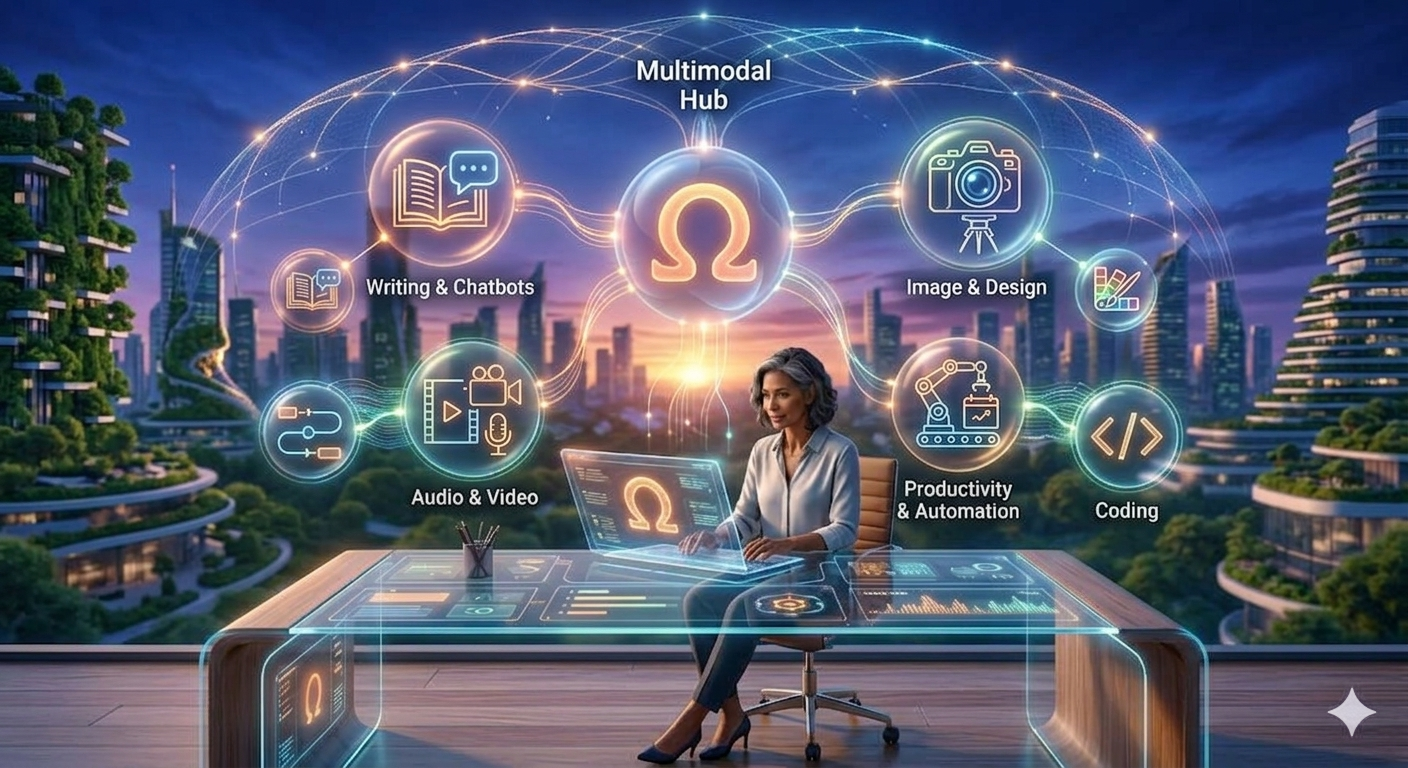
Multimodal AI can understand multiple types of input simultaneously, including:
This technology allows AI systems to interact more naturally with humans.
Multimodal AI is becoming the foundation of modern AI applications.
Blockchain technology is expanding beyond cryptocurrencies into industries like:
Blockchain is helping businesses improve trust and efficiency.
Content creators are using AI tools for:
Content creators are also using AI video generator tools to create videos faster.
AI-generated content is becoming a major part of digital marketing strategies.
Technology has evolved rapidly over the past few years. Traditional systems mainly relied on manual operations, basic automation, and cloud-based services, while smart technologies in 2026 are powered by Artificial Intelligence (AI), automation, robotics, Edge AI, and advanced connectivity.
The table below compares traditional technology with modern smart technologies used in 2026.
| Feature | Traditional Technology | 2026 Smart Technology |
|---|---|---|
| Automation | Limited | Highly automated |
| Internet Speed | 4G/Basic 5G | Advanced 5G & 6G |
| Data Processing | Cloud dependent | Edge AI & real-time processing |
| Security | Manual monitoring | AI-powered cybersecurity |
| User Experience | Basic digital interaction | Immersive AR/VR experiences |
| Computing Power | Classical computing | Quantum computing advancements |
| Device Intelligence | Standard smart devices | AI-powered intelligent devices |
| Business Operations | Human-managed workflows | AI-driven automation |
Technology in 2026 is evolving rapidly, with Artificial Intelligence, robotics, quantum computing, and next-generation connectivity becoming major drivers of innovation. These technologies are transforming industries such as healthcare, finance, education, manufacturing, and entertainment.
The comparison table below highlights the most impactful technologies in 2026, their primary uses, advantages, challenges, and future potential.
| Technology | Main Use | Industries Impacted | Future Growth Potential |
|---|---|---|---|
| AI Agents | Automation | Business, Marketing, Customer Support | Very High |
| Quantum Computing | Complex calculations | Science, Finance, Healthcare | Extremely High |
| Robotics | Physical automation | Manufacturing, Logistics | High |
| AR/VR | Immersive experiences | Gaming, Education | High |
| Edge AI | Faster AI processing | Smartphones, IoT | Very High |
| Blockchain | Secure transactions | Banking, Healthcare | Moderate to High |
| 6G Connectivity | Advanced communication | Telecom, Smart Cities | Very High |
| Green Technology | Sustainability | Energy, Automotive | High |
The future of technology in 2026 looks smarter, faster, and more connected than ever before. Artificial Intelligence (AI), robotics, quantum computing, and next-generation internet technologies are transforming industries across the world. Businesses are automating operations, smart devices are becoming more intelligent, and digital experiences are becoming more immersive.
Technology is no longer just supporting daily life — it is becoming deeply integrated into how people work, communicate, learn, shop, travel, and manage businesses.
Businesses and individuals who adapt to these technological changes early will have a strong competitive advantage.
Artificial Intelligence is expected to become the most powerful technology of 2026. AI tools are already helping businesses automate tasks, analyze data, improve customer support, and create content faster.
In the future, AI systems will become more autonomous and capable of performing complex tasks without human assistance.
AI will help companies:
Technology in 2026 is transforming industries, businesses, and everyday life. Innovations like Artificial Intelligence, robotics, quantum computing, and 6G connectivity are creating new opportunities while also introducing challenges. Understanding both the advantages and disadvantages of these technologies is important for businesses, students, creators, and tech enthusiasts.
In this guide, we’ll explore the major pros and cons of the top technology trends in 2026.
| Technology Trend | Pros | Cons |
|---|---|---|
| Artificial Intelligence (AI) | Automates tasks, improves productivity, saves time | Job replacement concerns, privacy issues |
| Quantum Computing | Solves complex problems quickly | Very expensive and still developing |
| Edge AI | Faster performance and better privacy | Limited hardware capabilities |
| Robotics & Automation | Reduces labor costs and increases efficiency | High setup and maintenance costs |
| AR & VR | Immersive experiences for gaming and education | Expensive devices and motion sickness issues |
| 6G Technology | Ultra-fast internet and low latency | Infrastructure not fully available yet |
| Blockchain | Secure and transparent transactions | Scalability and energy consumption issues |
| AI Cybersecurity | Detects threats in real time | AI-powered cyberattacks are also increasing |
| Green Technology | Eco-friendly and energy efficient | High initial investment |
| Multimodal AI | More natural human-AI interaction | Large data and computing requirements |
Artificial Intelligence (AI) is considered the biggest technology trend in 2026 because it is transforming industries through automation, smart assistants, AI agents, and advanced data analysis.
Quantum computing can solve highly complex problems much faster than traditional computers. It has major applications in healthcare, finance, cybersecurity, and scientific research.
Edge AI is AI processing performed directly on devices like smartphones, cameras, and wearables instead of relying entirely on cloud servers.
AI improves cybersecurity by detecting threats in real time, analyzing suspicious behavior, and automatically responding to cyberattacks.
Industries such as manufacturing, logistics, healthcare, agriculture, and e-commerce will benefit the most from robotics and automation technologies.
Spatial computing combines the digital and physical worlds using technologies like Augmented Reality (AR), Virtual Reality (VR), and Mixed Reality (MR).
6G is still under development in most countries, but research and testing are progressing rapidly for future deployment.
Green technology reduces pollution, improves energy efficiency, and supports sustainable development through renewable energy and eco-friendly systems.
Multimodal AI can understand and process multiple types of content such as text, images, audio, and video simultaneously.
AI may automate some repetitive jobs, but it will also create new opportunities in technology, AI management, cybersecurity, and digital industries.
Technology trends in 2026 are transforming the world at an incredible pace. Artificial Intelligence, robotics, cybersecurity, quantum computing, edge AI, and immersive digital experiences are becoming part of everyday life.
The most important technology trends to watch include:
Understanding these trends can help businesses stay competitive and help individuals prepare for the future digital world.